Attractions
The Virginia Living Museum, for nature lovers
Where Living Exhibits Bring Virginia's Rarest Wildlife to Life
Virginia is home to more than 250 species of plants and animals — and a surprising number of them are rarely, if ever, seen in the wild. The Virginia Living Museum, located in Newport News, takes a fundamentally different approach from a traditional natural history museum: every exhibit is alive. Rather than displaying mounted specimens or dioramas, the museum lets visitors encounter living animals in habitats designed to mirror their natural environments. Among its residents are 12 species listed as endangered — creatures whose survival depends on exactly the kind of conservation awareness the museum works to build.
Below is a guide to eight of the rarest species you can encounter at the Virginia Living Museum — animals that most people will never come across outside a carefully managed conservation setting.
Mammals: Apex Predators on the Brink
Red Wolf
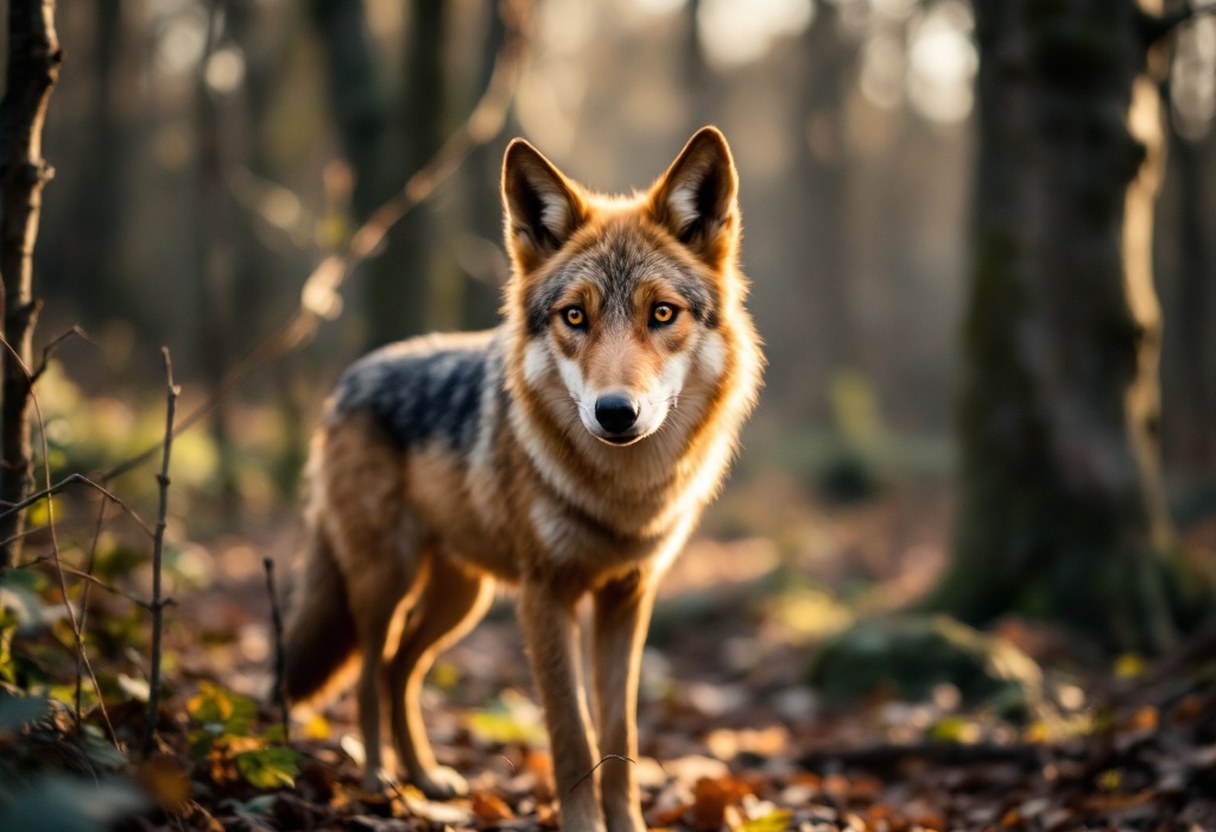
Despite the name, red wolves come in a range of colors — grey, brown, yellow, and red — though most individuals carry a distinctive reddish tint behind the ears and on the legs. What's consistent is their rarity: hunting drove this species to the edge of extinction by the 1980s, making them one of the hardest canids to spot anywhere in North America.
Red wolves are pack animals. A typical pack numbers five to eight individuals led by a dominant male-female pair, and packs are fiercely territorial, defending their range against both predators and rival packs. The Virginia Living Museum maintains a red wolf enclosure housing a family group — offering one of the few opportunities anywhere to observe this animal up close.
Reptiles: Ancient Lineages, Modern Threats
American Alligator
The American alligator carries one of the more encouraging conservation stories in recent decades. Once on the verge of extinction — driven there by demand for alligator hide and widespread habitat loss — the species rebounded significantly after gaining federal protection. Native to the southeastern United States, alligators are sometimes described as living links to the dinosaur era, a lineage stretching back hundreds of millions of years.
Juvenile alligators face significant predation from bobcats and larger alligators, making the hatchling-to-adult journey a precarious one. Adults, however, have few natural predators.
Wood Turtle
The wood turtle is listed as highly endangered, and its recovery has proven particularly difficult. These omnivorous reptiles spend much of their lives in water, emerging in late spring and early fall to forage and mate. The challenge for conservationists is biological: wood turtles take many years to reach sexual maturity, meaning populations recover very slowly. On top of that, their eggs are heavily predated by snakes, birds, and other animals. Habitat degradation — degraded waterways, poorly managed timber operations near streams, river channelization, and pesticide runoff — compounds the pressure. The Virginia Living Museum has a wood turtle on exhibit, giving visitors a rare look at a species that is easy to overlook and hard to protect.
Eastern Glass Lizard
At first glance, the eastern glass lizard looks like a snake. It's legless, moves with a sinuous crawl, and hides underground most of the time. Look closer and the differences emerge: moveable eyelids and a rigid jaw set it apart from any true serpent. Its most remarkable feature is its tail — roughly twice the length of its body — which detaches cleanly when seized by a predator, leaving the attacker distracted by a still-wiggling decoy while the lizard escapes.
Found in grassy areas of Virginia during summer months, the eastern glass lizard hibernates from October through March. Its global population has declined to alarming levels. Spotting one in the wild is genuinely rare.
Loggerhead Sea Turtle
The loggerhead sea turtle ranges across the warm waters of the Atlantic, Pacific, and Indian oceans, feeding on bottom-dwelling prey — crabs, shellfish, and similar creatures. Its endangered status stems from two converging threats: the loss of the sandy beaches where females lay their eggs, and increasing water pollution. Because loggerheads spend the vast majority of their lives submerged, most people will never encounter one outside a museum or aquarium setting.
Birds: A Conservation Success Story Still in Progress
Bald Eagle
The bald eagle — the national bird of the United States — spent decades on the endangered species list, its population devastated by the widespread use of DDT. The pesticide didn't kill adult birds directly; it thinned their eggshells to the point that incubation crushed them, quietly collapsing reproduction across the species. The ban on DDT, combined with targeted conservation work, allowed bald eagle populations to recover substantially. They remain a symbol of what determined preservation efforts can achieve. The Virginia Living Museum is home to several bald eagles.
Fish: Freshwater Species Under Pressure
Shortnose Sturgeon
The shortnose sturgeon is a prehistoric fish — its lineage predates most modern vertebrates. It differs from typical fish in several notable ways: a cartilaginous skeleton rather than bone, hard external plates called scutes instead of scales, and a spiral valve stomach. Overharvesting and habitat destruction pushed it onto the Federal Endangered Species list, where it remains despite ongoing recovery efforts. Seeing one in the wild is exceptionally rare; the Virginia Living Museum provides one of the few accessible opportunities to observe this ancient fish.
Roanoke Logperch
The Roanoke logperch is a small freshwater fish — reaching a maximum of about 5.5 inches — and one of the most critically endangered fish species in the country. It thrives only in clear, unaltered, unpolluted river systems. As Virginia's rivers have faced increasing pollution and modification, logperch habitat has contracted dramatically. Conservation organizations are actively working to identify and protect the river reaches where remaining populations still exist.
- PrehistoricShortnose sturgeon lineage established — one of North America's oldest fish species
- 1900sOverharvesting and habitat loss begin driving sturgeon, logperch, and sea turtle populations into decline
- 1970sBald eagle listed as endangered; DDT banned in the US; Federal Endangered Species Act enacted, listing shortnose sturgeon
- 1980sRed wolf hunted to near-extinction in the wild; captive breeding programs launched
- 1987American alligator removed from the endangered list after successful recovery — a landmark conservation win
- PresentVirginia Living Museum houses 12 endangered species across 20 acres, supporting conservation awareness and education
Why the Virginia Living Museum Matters
Zoos and aquariums can feel disconnected from the real stakes of wildlife conservation. The Virginia Living Museum is different in emphasis: its mission is rooted in Virginia's specific ecosystems, and every animal on exhibit reflects a genuine conservation challenge playing out in this region. Walking its one-mile trail system — accessible to visitors of all ages — means encountering creatures that shaped Virginia's landscapes for millennia and now depend on active human intervention to survive.
For anyone serious about understanding Virginia's natural heritage, it is one of the most educational destinations in the state.
For more ways to explore Virginia's natural and cultural offerings, see our guide to attractions across Virginia and Culpeper County.